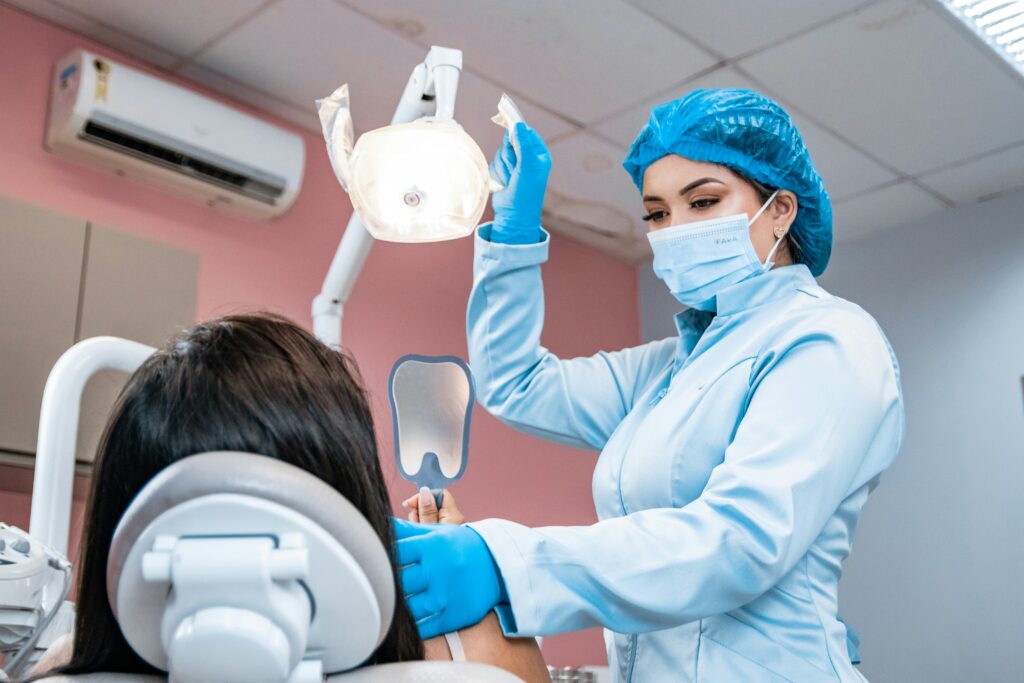
Affordable Dental Care in Mylapore: Myths vs Reality
Affordable dental care is about more than finding the lowest number on a price list. For families comparing options, the real question is whether a clinic explains the problem, offers a suitable plan, follows safe practices, and tells you what each step will cost. If you are looking for the Best Dental Clinic in Mylapore, use these checks to compare care with confidence—not just by the first consultation fee.
Myth 1: A higher fee always means better care
A higher estimate does not automatically mean a treatment is more suitable, and a lower estimate is not automatically a bargain. Costs can differ because the diagnosis, materials, number of visits, laboratory work, and follow-up included in a plan may differ. Ask the dentist to explain what they found, what treatment they recommend, and what alternatives may be appropriate. If something is unclear, request your records and consider a second opinion before committing to non-urgent treatment.
India’s Charter of Patients’ Rights describes the right to information about proposed care, expected results, possible complications, expected costs, service rates, records, and an itemized bill. Ask for a written estimate and a bill that makes the charges understandable.
Myth 2: The cheapest quote is the most affordable
Compare like with like. One estimate may include imaging, a temporary restoration, or a review visit while another may list only the main procedure. Ask whether the quoted amount covers each planned visit, materials, medicines, and follow-up, and what could change the estimate. A transparent clinic will explain what is known now and what depends on examination or treatment findings.
Before treatment begins, ask for the plan and expected costs in writing. If the plan changes, ask what changed and why, and request the revised estimate before proceeding where it is clinically reasonable to do so. If you use insurance or a health benefit, confirm the exact procedure, limits, waiting period, and exclusions with the insurer or scheme administrator; do not assume routine dental care is covered.
Myth 3: A clean-looking clinic is enough to judge safety
Clean surroundings matter, but patients can also ask how reusable instruments are processed between visits. The CDC’s dental sterilization guidance explains that cleaning comes before disinfection or sterilization and that instruments must be reprocessed correctly. It identifies heat sterilization as the recommended process for critical items that penetrate soft tissue or bone, and for most heat-tolerant items that contact mucous membranes.
You can ask whether instruments are opened from a sealed pack for your appointment and how the practice monitors its sterilization process. A good team should be willing to answer calmly. These are useful questions for a patient; they are not a substitute for an inspection by the relevant authorities.
Myth 4: You have to accept a treatment plan immediately
You can ask questions before deciding. A clear explanation should cover the purpose of the recommended treatment, the likely benefits, important risks, alternatives, and what may happen if you wait. Ask which parts are urgent and which can be planned later. If you feel rushed, request a copy of your records and take time to understand the options, unless the dentist explains that an urgent problem needs prompt attention.
How to compare clinics in Mylapore
Check professional registration. Ask for the treating dentist’s registration details. The Tamil Nadu Dental Council explains registration under the Dentists Act and provides official registration services; contact the Council if you need help confirming a record.
Look for a diagnosis before a price. The dentist should examine you and explain why a treatment is recommended rather than quote a complex procedure without understanding your case.
Compare written plans. Review the proposed treatment, number of visits, materials or laboratory work where relevant, follow-up, and total expected charges.
Notice how questions are handled. You should be able to ask for clarification and understand the answer without pressure or unexplained jargon.
Keep your records. Save estimates, prescriptions, reports, receipts, and treatment notes so you can track care and seek another opinion if needed.
What affordable, good-value care looks like
Good value is care that is appropriate to your needs, explained clearly, delivered with attention to safety, and priced transparently. It does not mean choosing a procedure by advertisement or selecting a clinic based only on a discount. Ask for the information you need, compare the same items across estimates, and make a decision you understand.
If you are comparing dental care in Mylapore, the team at 20to32 Smiles can discuss your concerns and explain the next steps after an examination. Ask for a written plan and estimate so you can decide with clarity.
This article is general patient-education information, not a diagnosis or a substitute for advice from a qualified dentist. The CDC guidance linked above is an infection-control reference, not Indian regulatory advice.
How to Identify a Good Dentist: What to Look for in the Best Dental Clinic in Mylapore
When you search for the “best dental clinic in Mylapore,” polished photos and star ratings can help you build a shortlist, but they cannot tell you how a dentist will listen, explain a diagnosis, or involve you in decisions. A few practical checks can help you choose with more confidence.
1. Check the dentist’s registration and qualifications
Ask for the treating dentist’s name, qualifications, and registration number. In Tamil Nadu, the Tamil Nadu Dental Council is the statutory body that registers dentists. You can ask the clinic how to verify the dentist’s current registration and whether a listed specialist qualification is relevant to the care you need. A clinic’s branding or a social-media bio is not a substitute for checking the individual professional who will treat you.
2. Notice whether the dentist listens before recommending treatment
A good first visit should leave room for you to describe what brought you in, your dental history, and any concerns or preferences. The dentist should examine you and explain what they found in language you understand. You should be able to ask, “What does this mean for me?” without feeling rushed or embarrassed.
3. Expect a clear explanation of options
Before a significant procedure, ask what the proposed treatment is intended to address, what benefits and risks matter in your case, what reasonable alternatives exist, and what may happen if you wait. It is also reasonable to ask about the expected number of visits, recovery or after-care, and an itemised estimate. A written estimate is useful for planning; it is not a promise that every case will cost the same.
The Government of India’s Charter of Patients’ Rights describes informed consent as a patient right before potentially hazardous treatment. You should have time to understand a recommendation and decide whether to proceed.
4. Ask how instruments are cleaned and sterilised
Clinics should have a consistent process for cleaning, disinfection, and sterilisation of reusable instruments, with the process matched to the instrument. You can ask staff to explain how instruments are prepared between patients and how single-use items are handled. A tidy reception area is pleasant, but it cannot answer this specific safety question.
The CDC’s dental sterilisation guidance explains that instrument reprocessing follows ordered steps and that many dental instruments should be heat sterilised after cleaning.
5. Look for transparent fees and realistic expectations
Ask what is included in a quoted fee, whether scans or follow-up visits are separate, and whom to contact if you have a concern after treatment. Be cautious of pressure to agree immediately to costly or irreversible work, especially when you have not had a chance to understand the diagnosis. For complex care, a second opinion can help you compare explanations and options.
6. Check follow-up and referral plans
Not every dentist performs every procedure. A responsible clinic should explain when another clinician or specialist is appropriate and how your records or images can support that hand-off. Before treatment, understand what follow-up is expected and how the clinic handles questions or complications outside a scheduled visit.
Questions to take to your first appointment
What did you find, and could you show or explain it to me?
What are my options, including waiting or monitoring if that is reasonable?
What are the likely benefits, risks, visits, and costs for each option?
How are reusable instruments sterilised between patients?
Who should I contact if I have a question after treatment?
Choose on the quality of the conversation, not the advertising
When comparing the best dental clinic in Mylapore for your needs, use registration, clear explanations, sensible infection-control answers, transparent costs, and follow-up as practical checks. Online reviews can help you form questions, but they cannot verify clinical quality on their own. If you are unsure about a diagnosis or major treatment plan, ask for clarification or seek another professional opinion.
Why Bleeding Gums Need Immediate Attention from a Periodontist
Medically reviewed by Dr. Sathya Bharathwaj, MDS (Periodontics) • Updated July 2026
Blood in the sink after brushing is so common that most people stop noticing it. That normalisation is exactly why a bleeding gums periodontist will tell you the same thing every time: bleeding is never normal, and waiting is the single most expensive mistake in dental care. A healthy gum does not bleed, no matter how hard you brush. That single fact is worth repeating because most people were never told it, and it changes how seriously bleeding should be taken.
This article explains what bleeding actually means, why it is a warning rather than a minor irritation, and why seeing a bleeding gums periodontist early is so much cheaper and simpler than dealing with the same problem five years later.
Why gums bleed in the first place
Bleeding happens because the gum tissue is inflamed. Plaque – a soft film of bacteria – builds up along the gumline, and if it is not removed thoroughly, it hardens into tartar within days. The gum tissue reacts to this bacterial buildup by becoming inflamed, and inflamed tissue bleeds easily, even from something as gentle as flossing.
This early stage is called gingivitis, and it is entirely reversible. A professional cleaning and a genuine improvement in brushing and flossing can resolve it completely within a couple of weeks. This is the stage where a bleeding gums periodontist can fix the problem fastest and cheapest – which is exactly why catching it now matters so much.
Why bleeding is a warning sign, not a symptom to manage
Most people treat bleeding gums the way they treat a paper cut – as something minor that will heal on its own. Gum disease does not work that way. Left untreated, gingivitis progresses to periodontitis, where the inflammation moves from the soft tissue into the bone that holds your teeth in place.
Once bone is lost, it does not regenerate on its own. This is the single most important thing a bleeding gums periodontist wants every patient to understand: gingivitis is reversible, periodontitis is not. The window to fix this cheaply and completely is narrower than most people assume.
Bleeding gums are also linked to broader health. Research has connected untreated gum disease to increased risk in heart disease, diabetes control, and pregnancy complications. The mouth is not separate from the rest of the body, and chronic inflammation anywhere has consequences elsewhere.
Why the bleeding often stops on its own – and why that’s not good news
Here is the detail that catches most patients off guard. As gum disease advances, the bleeding sometimes reduces or disappears entirely. Patients understandably assume this means things have improved.
It usually means the opposite. As the disease progresses and blood supply to the area changes, the tissue bleeds less even though the underlying damage continues. A bleeding gums periodontist sees this pattern constantly – patients who stopped worrying the moment the bleeding stopped, only to discover years later that significant bone loss had already occurred silently in the background.
This is why the presence of bleeding matters less than most people think, and the absence of pain matters even less. Gum disease is largely a painless condition until it is very advanced.
What a bleeding gums periodontist actually checks
A proper periodontal visit is far more thorough than a routine cleaning, and takes roughly 20 to 30 minutes for the assessment alone.
Pocket charting – a thin probe measures the depth of the space between gum and tooth at six points per tooth. Anything above 3mm needs attention; above 5mm typically needs active treatment.
Bleeding on probing – whether the gum bleeds when gently probed, a more reliable indicator than bleeding while brushing.
Full-mouth X-rays or a CBCT scan – to see bone levels that a visual exam and probing alone cannot reveal.
Mobility testing – checking whether any teeth have started to loosen, which signals more advanced bone loss.
A written treatment plan – staged and priced, starting with the least invasive option that will actually resolve the problem.
This is the difference between a general cleaning and an actual diagnosis. A bleeding gums periodontist is trained specifically to catch what a routine visit might miss, and the pocket chart from your first visit becomes the baseline every future visit is measured against.
What treatment actually looks like
Treatment depends entirely on how far the disease has progressed, and a bleeding gums periodontist will always start with the least invasive option that works.
Gingivitis (early stage): professional scaling and polishing, plus improved home care. Usually resolved within one to two visits and fully reversible.
Early periodontitis: deep cleaning, known as scaling and root planing, performed below the gumline in quadrants. Local anaesthesia is used, and most patients tolerate it very well.
Moderate to advanced periodontitis: laser-assisted treatment or flap surgery to access and clean deeper pockets, sometimes combined with bone grafting where bone has already been lost.
Maintenance, at every stage: gum disease is controlled, not permanently cured. A three to six month maintenance schedule after treatment is what keeps it from returning.
The earlier a bleeding gums periodontist sees you, the shorter and cheaper this list becomes.
What it costs to wait
Numbers make this easier to understand than warnings alone.
Stage
Typical treatment cost
Gingivitis (early)
Rs.1,500 – Rs.3,500 for scaling and polishing
Early periodontitis
Rs.2,000 – Rs.4,500 per quadrant for deep cleaning
Moderate periodontitis
Rs.15,000 – Rs.30,000 for laser treatment
Advanced periodontitis
Rs.6,000 – Rs.35,000 per site for surgery and grafting
Tooth loss requiring implant
Rs.30,000 – Rs.60,000 per tooth
A problem that costs a few thousand rupees to fix today can cost fifteen to twenty times more in five years, plus the loss of a natural tooth that no implant fully replaces. This is the entire argument for seeing a bleeding gums periodontist the first time you notice blood in the sink, not the tenth.
When to see a periodontist versus a general dentist
Mild, occasional bleeding that resolves with better brushing can often be managed by a general dentist. See a bleeding gums periodontist specifically if:
Bleeding happens most times you brush or floss, not occasionally
Gums look red, swollen, or have started to recede
You notice persistent bad breath that brushing does not fix
Any tooth feels even slightly loose
A general dentist has already flagged pocket depths above 4-5mm
You have diabetes, which significantly worsens gum disease progression
A periodontist has three additional years of specialist training focused entirely on gums and the bone supporting teeth – training a general dentist does not have. That extra training is precisely what allows earlier and more accurate detection of disease that a routine check-up can miss.
Frequently asked questions
Are bleeding gums always a sign of gum disease? Almost always, though a few other factors can contribute, including certain medications, hormonal changes such as pregnancy, and vitamin deficiencies. A bleeding gums periodontist can identify the actual cause rather than guessing.
Can bleeding gums heal on their own? Mild gingivitis can improve with better brushing and flossing alone, but professional cleaning speeds this significantly and removes tartar that a toothbrush cannot. Once bone loss has begun, it will not resolve without treatment.
Is it normal for gums to bleed a little every day? No. Daily bleeding, however minor, means inflammation is present and active. It is common, but common is not the same as normal or healthy.
How urgently should I see a periodontist? Within a week or two for ordinary bleeding. Sooner if there is swelling, pain, a loose tooth, or bleeding combined with fever, which can indicate an active infection needing prompt care.
Does smoking make bleeding gums worse? Yes, significantly, though smoking can also mask bleeding by reducing blood flow to the gums – making the disease harder to notice while it progresses faster underneath. Smokers are also at higher risk of the disease advancing silently.
Will scaling make my gums bleed more at first? Slightly, for a day or two, as inflamed tissue is disturbed during cleaning. This settles quickly and is a normal part of healing, not a sign of harm.
The bottom line
Bleeding gums are a request for attention, not a cosmetic inconvenience to ignore. The earlier a bleeding gums periodontist sees you, the more reversible the situation is likely to be – and the cheaper, simpler, and less invasive the treatment.
If you have noticed blood in the sink more than once this month, that is the sign to book, not wait for the pain that comes later.
Book a gum assessment – . A proper pocket chart takes twenty minutes and tells you exactly where things stand.
Gum Treatment Clinic in Mylapore: 9 Gum Disease Symptoms
Medically reviewed by Dr. Sathya Bharathwaj MDS (Periodontology), 20 to 32 smiles, Mylapore, Chennai. Last updated: July 2026
Quick Answer (Featured Snippet)
Gum disease often starts quietly. The most common early signs are red or swollen gums, bleeding while brushing, bad breath that won’t go away, and gums that feel tender to the touch. If left untreated, these symptoms can lead to loose teeth and bone loss. If you are searching for the best periodontist dentist in Mylapore, catching these signs early and visiting a gum treatment clinic in Mylapore right away can save your teeth and stop the problem from getting worse.
Why Gum Health Matters More Than You Think
Most people worry about cavities. They brush to avoid tooth decay. But gums often get ignored until there is a real problem.
Here is the truth. Gum disease is one of the most common health problems in adults. Many people have it and don’t even know. It usually does not hurt in the early stage. That is exactly why it is dangerous. By the time you feel pain, the disease has often already caused damage.
Healthy gums hold your teeth in place. They protect the roots. They keep bacteria away from your jawbone. When gums get infected, this support system breaks down slowly.
The good news is that gum disease is very treatable, especially in its early stage. You just need to know the warning signs and act on them.
What Is Gum Disease? A Simple Explanation
Gum disease is an infection of the tissue that holds your teeth in place. It happens in two stages.
Stage 1: Gingivitis
This is the mild form. Your gums get red, swollen, and may bleed. According to the American Academy of Periodontology, gingivitis is reversible with professional treatment and good at-home oral care. At this stage, the damage can usually be reversed with better brushing, flossing, and a professional cleaning at a gum treatment clinic in Mylapore.
Stage 2: Periodontitis
If gingivitis is not treated, it can turn into periodontitis. This is more serious. The infection spreads below the gum line. It can damage the bone that holds your teeth. Teeth may become loose or even fall out.
The jump from gingivitis to periodontitis does not happen overnight. It takes months or years. This gives you time to catch it early, if you know what to look for.
9 Gum Disease Symptoms You Shouldn’t Ignore
Here are the warning signs. If you notice even one or two of these, it is time to book a dental check-up.
1. Bleeding Gums While Brushing or Flossing
This is the most common early sign. Healthy gums do not bleed. If you see pink in the sink after brushing, or blood on your floss, do not ignore it. Many people think this is normal because it happens often. It is not normal. It is your body’s way of telling you something is wrong.
2. Red or Swollen Gums
Healthy gums are usually a pale pink color and feel firm. If your gums look bright red, dark red, or puffy, this means inflammation is present. Swelling is a sign that your immune system is fighting an infection.
3. Bad Breath That Does Not Go Away
Everyone gets bad breath sometimes. But if your breath smells bad even after brushing, and mouthwash only hides it for a short time, bacteria buildup in your gums could be the cause. This is called halitosis, and gum disease is one of the top reasons for it.
4. Gums That Feel Tender or Sore
Sensitivity when eating, drinking, or brushing is a red flag. Sore gums often mean the tissue is inflamed and irritated by bacteria.
5. Gums Pulling Away From Your Teeth (Receding Gums)
If your teeth start to look longer than before, your gums may be receding. This exposes the tooth root, which can cause sensitivity to hot and cold food. Receding gums are a sign of more advanced gum disease.
6. Loose or Shifting Teeth
This is a serious warning sign. If your teeth feel wobbly, or you notice gaps forming where there were none before, the bone supporting your teeth may already be affected. This needs urgent attention from a periodontist.
7. Pus Between Teeth and Gums
Pus is a clear sign of infection. If you notice any discharge near your gum line, this means bacteria have built up deep in the gum pocket. This should never be ignored.
8. Change in How Your Teeth Fit Together
If your bite suddenly feels different, or your teeth do not line up the way they used to when you chew, this can mean your teeth are shifting due to gum and bone loss.
9. A Constant Bad Taste in Your Mouth
A persistent metallic or bad taste, even after brushing, can be a sign of infection and pus in the gum pockets.
What Causes Gum Disease?
Understanding the cause helps you prevent it. Here are the main reasons gum disease develops.
Plaque Buildup
Plaque is a sticky film of bacteria that forms on your teeth every day. If you do not remove it through brushing and flossing, it hardens into tartar. Tartar can only be removed by a dentist.
Poor Oral Hygiene
Skipping brushing, not flossing, or using the wrong brushing technique allows plaque to build up faster.
Smoking and Tobacco Use
Smoking is one of the biggest risk factors for gum disease. It weakens your immune system, making it harder for your body to fight gum infections.
Hormonal Changes
Pregnancy, puberty, and menopause can make gums more sensitive to plaque and more likely to become inflamed.
Diabetes
People with diabetes are more prone to infections, including gum infections. The Mayo Clinic notes that diabetes lowers the body’s resistance to infection, raising the risk of gum disease. Gum disease and diabetes can also make each other worse, so diabetic patients should have regular dental checkups.
Certain Medications
Some medicines reduce saliva flow. Since saliva helps wash away bacteria, less saliva means more risk of plaque buildup.
Genetics
Some people are simply more likely to get gum disease because of their family history, even with good oral care.
Poor Nutrition
A diet low in vitamin C and other nutrients can weaken your gum tissue and slow healing.
Who Is Most at Risk?
You should be extra watchful if you fall into any of these groups:
Adults over 35 years old
Smokers or tobacco users
People with diabetes
Pregnant women
People who do not visit the dentist regularly
People with a family history of gum disease
People under high stress, which can weaken the immune system
How Is Gum Disease Diagnosed?
A dentist or periodontist will usually check for gum disease in a simple visit. Here is what to expect.
Gum Pocket Measurement
The dentist uses a small tool to measure the space between your gum and tooth. Healthy pockets are usually 1 to 3 millimeters. Deeper pockets can mean gum disease. The American Dental Association explains that these measurements help classify the stage and severity of periodontitis, which guides the right treatment plan.
Visual Examination
The dentist checks for redness, swelling, bleeding, and gum recession.
Dental X-Rays
X-rays show if there has been any bone loss around your teeth, which is common in more advanced cases.
Medical History Review
Since conditions like diabetes and smoking affect gum health, the dentist will ask about your general health and lifestyle.
Gum Disease Treatment Options
Treatment depends on how advanced the gum disease is. Here are the common options.
Professional Dental Cleaning
For early gingivitis, a simple professional cleaning at a gum treatment clinic in Mylapore can remove plaque and tartar and reverse the inflammation.
Scaling and Root Planing
This is a deeper cleaning done below the gum line. It smooths the tooth root so gums can reattach properly. This is often the first step for periodontitis.
Antibiotic Treatment
In some cases, the dentist may prescribe antibiotic gel or pills to control the infection.
Laser Therapy
Some clinics use lasers to remove infected tissue with less bleeding and faster healing than traditional methods.
Flap Surgery
For advanced cases, the dentist may need to lift the gums to clean deeper tartar deposits, then stitch the gums back into place.
Bone and Tissue Grafts
If gum disease has caused bone loss, grafting can help rebuild the lost bone and support the teeth again.
A skilled periodontist will choose the right treatment based on how far the disease has progressed. This is why visiting an experienced gum treatment clinic in Mylapore matters. Early and correct treatment can stop the disease before it causes permanent damage.
How to Prevent Gum Disease at Home
Prevention is always easier than treatment. Here are simple daily habits that protect your gums.
Brush Properly, Twice a Day
Use a soft-bristled brush. Hold it at a 45-degree angle to your gum line. Brush gently in small circles. Do not scrub hard, as this can hurt your gums.
Floss Every Day
Flossing removes plaque between teeth where your brush cannot reach. Many people skip this step, but it is one of the most important habits for gum health.
Use an Antibacterial Mouthwash
This can help reduce plaque and bacteria, especially in hard-to-reach spots.
Do Not Skip Dental Checkups
Visit a gum treatment clinic in Mylapore every six months, even if your gums feel fine. Many gum problems have no pain in the early stage, so regular checkups catch issues you cannot feel yet.
Quit Smoking
If you smoke, quitting is one of the best things you can do for your gum health.
Eat a Balanced Diet
Foods rich in vitamin C, calcium, and antioxidants support healthy gum tissue.
Manage Health Conditions
If you have diabetes or another condition that affects your immune system, work with your doctor to keep it under control. This also protects your gums.
Change Your Toothbrush Regularly
Replace your toothbrush every three months, or sooner if the bristles are worn out.
Can Gum Disease Be Reversed?
Gingivitis, the early stage, can usually be reversed with good oral hygiene and a professional cleaning. Once it progresses to periodontitis, the damage to bone and tissue cannot be fully reversed, but treatment can stop it from getting worse and help you keep your teeth for many more years.
This is why early action matters so much. The earlier you catch the symptoms, the simpler and more affordable the treatment.
When Should You See a Periodontist?
A general dentist can treat mild gum problems. But a periodontist is a specialist trained specifically in gum and bone health. You should see a periodontist if you have:
Bleeding gums that do not improve after a few weeks
Loose teeth
Gum pockets deeper than 4 millimeters
Visible gum recession
Pus or discharge near your gum line
A family history of severe gum disease
Diabetes along with gum symptoms
If you are looking for the best periodontist dentist in Mylapore, choose someone with specific training in periodontics, not just general dentistry. Gum health needs specialized care, especially once the disease has moved past the early stage.
What Makes a Good Gum Treatment Clinic?
If you are comparing clinics, here is what to look for.
Qualified and Experienced Periodontist
Check the dentist’s qualifications and how many years of experience they have specifically in treating gum disease.
Modern Equipment
Clinics using updated tools like digital X-rays and laser therapy can often provide more comfortable and precise treatment.
Clear Communication
A good clinic explains your condition in simple terms and walks you through your treatment options and costs before starting anything.
Hygiene and Sterilization Standards
Ask about their sterilization process. This is basic but important for your safety.
Positive Patient Reviews
Look at what past patients say about their experience, especially regarding pain management and results.
Convenient Location
Choosing a gum treatment clinic in Mylapore that is close to your home or workplace makes it easier to keep up with follow-up visits, which are important for gum disease treatment.
Common Myths About Gum Disease
Myth 1: Bleeding Gums Are Normal
This is false. Healthy gums do not bleed during normal brushing or flossing. Bleeding is always a sign of inflammation.
Myth 2: Gum Disease Only Affects Older People
While risk increases with age, gum disease can start in your twenties or even in teenagers with poor oral hygiene.
Myth 3: If It Does Not Hurt, It Is Not Serious
Gum disease is often painless in its early and even moderate stages. Research summarized by the National Institutes of Health describes periodontitis as a condition that can silently progress through several stages before causing noticeable pain. This is exactly why regular visits to a gum treatment clinic in Mylapore matter, since pain usually appears only when the disease is already advanced.
Myth 4: Brushing Harder Cleans Better
Brushing too hard can actually damage your gums and cause them to recede faster. Gentle, consistent brushing works better.
Myth 5: Once You Lose a Tooth to Gum Disease, There Is Nothing You Can Do
Modern dentistry offers many options, including implants, after tooth loss. But protecting your remaining teeth becomes even more important at this stage.
The Link Between Gum Disease and Overall Health
Gum disease is not just about your mouth. Research has linked untreated gum disease to several other health conditions, including:
Heart disease
Diabetes complications
Respiratory infections
Pregnancy complications
This happens because the bacteria and inflammation from infected gums can enter your bloodstream and affect other parts of your body. Taking care of your gums is part of taking care of your whole body.
A Simple Gum Health Checklist
Use this checklist to check your own gum health today.
Do your gums bleed when you brush or floss?
Are your gums red, swollen, or tender?
Do you have bad breath that does not go away?
Do your gums look like they are pulling back from your teeth?
Do any of your teeth feel loose?
Have you noticed pus or a bad taste in your mouth?
Has it been more than six months since your last dental checkup?
If you answered yes to two or more of these questions, it is time to book an appointment with a periodontist.
Final Thoughts
Gum disease is common, but it is not something to ignore. The earlier you catch the signs, the easier and more affordable the treatment. Bleeding gums, bad breath, and swelling are not small issues. They are your body’s early warning system.
Simple daily habits like proper brushing, flossing, and regular dental visits can prevent most gum problems before they start. If you already notice symptoms, do not wait. Book a visit at a reliable gum treatment clinic in Mylapore and see a specialist who understands gum health deeply.
If you are searching for the best periodontist dentist in Mylapore, choose a clinic that takes the time to explain your condition, offers modern treatment options, and has real experience treating gum disease at every stage.
Frequently Asked Questions
What are the first signs of gum disease?
The first signs are usually bleeding gums while brushing, red or swollen gums, and bad breath that does not go away with regular brushing.
Can gum disease be cured completely?
Early gum disease, called gingivitis, can usually be reversed completely with good oral care and professional cleaning. Advanced gum disease, called periodontitis, cannot be fully cured, but it can be controlled and managed with proper treatment.
Is bleeding gums always a sign of gum disease?
Bleeding gums are almost always a sign of some level of gum inflammation. It is rarely normal, even if it happens only occasionally.
How long does gum disease treatment take?
Mild cases may improve within a few weeks with cleaning and better hygiene. More advanced cases may need several months of treatment, including deep cleaning and follow-up visits.
Does gum disease cause tooth loss?
Yes, if left untreated for a long time, gum disease can damage the bone and tissue supporting your teeth, leading to loose teeth and eventually tooth loss.
Is gum disease treatment painful?
Most gum disease treatments, including deep cleaning, are done with local anesthesia and cause minimal discomfort. Some sensitivity after treatment is normal and temporary.
How often should I visit a periodontist?
If you have a history of gum disease, visiting every three to four months is often recommended. Without a history of gum problems, a checkup every six months is usually enough.
Can stress cause gum disease?
Stress can weaken your immune system, making it harder for your body to fight off the bacteria that cause gum disease. It does not cause gum disease directly, but it can make you more vulnerable to it.
This article is for general educational purposes and does not replace professional dental advice. If you are experiencing gum disease symptoms, please consult a qualified periodontist for a proper diagnosis and treatment plan.
Gum Disease Symptoms You Shouldn’t Ignore
Medically reviewed by Dr.Sathya Bharathwaj , MDS (Periodontics) • Updated July 2026
Most people visit a gum treatment clinic in Mylapore only when pain becomes unbearable. By that point, the disease has usually been active for months or years, quietly destroying the bone that holds teeth in place. Gum disease does not announce itself with sharp pain — it works slowly, silently, and mostly without discomfort until it is far advanced.
This is what makes it so expensive to treat late. What costs Rs.2,000 to manage at stage one costs Rs.40,000 at stage four. The nine symptoms below are what gum disease looks like before it becomes a crisis. Recognising even one of them is the reason to call a gum treatment clinic in Mylapore this week, not next month.
1. Bleeding gums when you brush or floss
This is the most common symptom patients dismiss and the most important one to take seriously. Healthy gums do not bleed. Not when brushing firmly, not when flossing, not ever.
Bleeding means the gum tissue is inflamed — a condition called gingivitis, which is the earliest, most reversible stage of gum disease. At this point a professional cleaning and improved brushing habits are often all that is needed. Leave it and the inflammation goes deeper, destroying the bone underneath.
The most dangerous thing about bleeding gums is that they often stop bleeding on their own as the disease progresses and the nerve supply reduces. Patients interpret this as improvement. It is not.
2. Gums that look red or swollen
Healthy gums are pale pink, firm, and tight against the tooth. Red, puffy, or shiny gums are inflamed gums, regardless of whether they bleed. If you press a fingertip gently against the gum and it leaves a temporary dent, or if the tissue looks darker or more purple than normal, inflammation is present.
Many patients live with mildly swollen gums for years, assuming it is normal. It is not, and a gum treatment clinic in Mylapore can usually resolve early-stage inflammation in one or two appointments.
3. Persistent bad breath that brushing won’t fix
Gum disease produces a distinctive odour from the bacteria living below the gum line — a place your toothbrush cannot reach. If you brush thoroughly twice a day, floss, use mouthwash, and still have bad breath that returns within hours, the source is almost certainly below the gum line.
This symptom embarrasses patients into not mentioning it, which is exactly the wrong instinct. It is one of the clearest indicators a gum treatment clinic in Mylapore needs to see you, and the one with the simplest fix if caught at the right stage.
4. Gums pulling away from the teeth
When gum tissue recedes, the teeth appear longer than they used to. Patients notice this gradually — a lower gum line, more visible root surface, or a shadow at the base of the tooth that was not there before.
Recession is the gum’s response to chronic inflammation pulling the tissue back. Once it recedes, it does not grow back on its own. A gum treatment clinic in Mylapore can stop further recession and, in many cases, restore lost tissue with a gum graft — but only if caught before too much is lost.
Recession also exposes the root surface, which has no enamel and decays far more quickly than the crown of the tooth. One problem feeds the other.
5. Teeth that feel sensitive to hot, cold, or sweet
Sensitivity from exposed roots is different from the sensitivity of a cavity, but both need attention. Root sensitivity usually affects multiple teeth, often in a pattern matching the recession, and gets worse over time without treatment.
If your teeth have become generally more sensitive in the last year, especially at the gum line, book a visit to a gum treatment clinic in Mylapore before assuming it is just your toothpaste that needs changing.
6. Teeth that look longer or have gaps between them
Two changes that can happen simultaneously. As gum tissue and bone are lost, teeth appear to lengthen from the root side and may drift slightly, opening spaces between teeth that were previously closed.
The drifting is particularly noticeable in the front teeth. Patients sometimes think this is an orthodontic problem — the teeth moving because they have always been slightly crowded. In many cases it is advanced gum disease loosening the foundation that was keeping them in place.
7. A tooth that feels loose
Any mobility in a permanent adult tooth is abnormal and urgent. Teeth do not become loose from age — they become loose because the bone around them has been lost. By the time a tooth feels loose, the disease causing it has already been active for some time.
This is the symptom most likely to end in extraction if ignored, and the one most likely to be saved if treated quickly at a gum treatment clinic in Mylapore. The difference between keeping that tooth and losing it is often measured in weeks, not years.
8. Pain when chewing
Advanced gum disease can cause an abscess — a pocket of infection forming between the tooth and gum. This produces a localised, throbbing pain that worsens when biting down, sometimes with swelling visible on the gum or the face.
An abscess is a dental emergency. It will not resolve on its own, and antibiotics alone will not cure it — they suppress the infection temporarily, but the source of the problem needs treatment. Any pain when chewing that persists for more than a day or two needs same-week attention from a gum treatment clinic in Mylapore.
9. A bad taste in your mouth that keeps returning
Persistent unpleasant taste — often metallic, sour, or simply off — is frequently caused by the discharge from an infected gum pocket. Patients notice it in the morning or after eating and assume it is a digestion issue. It often is not.
If the taste returns daily despite thorough brushing and no obvious dietary cause, it belongs on the list of symptoms worth mentioning to a gum treatment clinic in Mylapore. It is one of the subtler signs of active infection below the gum line.
What happens if you ignore these symptoms
Gum disease progresses in stages. Early inflammation (gingivitis) involves only the soft tissue and is fully reversible. Once it advances to periodontitis, bone loss begins and that bone does not regenerate on its own without treatment.
Advanced periodontitis — what happens when symptoms are ignored for years — means pockets too deep for any cleaning to reach, bone loss visible on X-rays, mobile teeth, and eventually extraction. The treatment at this stage involves surgery, bone grafting, and implants. All avoidable, and all expensive.
The single most effective thing any patient can do is visit a gum treatment clinic in Mylapore at the first sign rather than the last.
What a gum specialist at a gum treatment clinic in Mylapore will do
A proper periodontal appointment includes:
Pocket charting — measuring the depth around every tooth at six points. The number is your gum health in millimetres.
Full-mouth X-rays or CBCT — to see bone levels the probe cannot reach
A written treatment plan — staged, priced, and starting with the least invasive option
A maintenance schedule — because gum disease is managed, not cured in one visit
Treatment options depend on severity: scaling and deep cleaning for early stages, laser treatment or flap surgery for advanced pockets, and bone grafting where bone has already been lost. The earlier a gum treatment clinic in Mylapore sees you, the simpler and cheaper the treatment.
Frequently asked questions
Can gum disease be cured completely? Early gum disease (gingivitis) is fully reversible with professional cleaning and better home care. Once bone loss has occurred, it can be arrested and maintained but not fully reversed without grafting. The earlier you act, the better the outcome.
Is gum treatment painful? Scaling and deep cleaning cause mild sensitivity for a day. Laser treatment and surgery are performed under local anaesthesia — you feel pressure, not pain. Most patients are surprised by how manageable it is.
How long does gum treatment take? Early cases: one to two appointments. Moderate cases: two to four sittings over a few weeks. Surgical cases depend on how many areas are involved. A proper gum treatment clinic in Mylapore will give you a clear timeline in writing.
Do I need a specialist or can my regular dentist treat gum disease? Mild gingivitis can be managed by a general dentist. Pockets deeper than 5mm, bone loss, or any tooth mobility should be seen by a periodontist — a specialist in gum disease with MDS training.
Will my teeth fall out if I have gum disease? Not if it is treated. Gum disease is the leading cause of tooth loss in adults, but it is also one of the most preventable and treatable conditions in dentistry. Early treatment preserves teeth for life in the vast majority of cases.
How much does gum treatment cost in Mylapore? Scaling: Rs.1,500 to Rs.3,500. Deep cleaning per quadrant: Rs.2,000 to Rs.4,500. Laser treatment: Rs.15,000 to Rs.30,000. A written estimate from a gum treatment clinic in Mylapore after proper examination is the only reliable figure for your specific case.
The bottom line
Gum disease is not a condition that waits for a convenient time to get worse. Every month of delay is another month of bone loss that cannot be undone without intervention. The nine symptoms above are not reasons to panic — they are reasons to book an appointment at a gum treatment clinic in Mylapore while the treatment is still straightforward.
Bleeding gums are not normal. Loose teeth are not age. Bad breath that persists is not just a toothpaste problem. These are signals, and acting on them early is the difference between a cleaning and a surgery.
Book a gum assessment—. Bring any old X-rays. A proper charting takes twenty minutes and tells you exactly where you stand.
Family Dental Care in Mylapore: A Complete Oral Health Guide
Medically reviewed by Dr.Sathya Bharathwaj MDS • Updated July 2026
Good family dental care in Mylapore is not about reacting to toothaches one person at a time. It is about building habits and check-up routines across every age in the household, so problems are caught early and cheaply instead of late and painfully. A toddler, a teenager with braces, a working parent, and an elderly grandparent each need something different from a dentist — but they all benefit from the same thing: a clinic that knows the whole family and sees them regularly.
This guide walks through oral health at each life stage, the routines that actually prevent problems, honest cost expectations, and the warning signs that mean it is time to book. Read it once and you will have a plan for everyone under your roof. Done well, family dental care in Mylapore is mostly prevention, and prevention is where the real savings and the real comfort live.
Why one clinic for the whole family makes sense
You can, of course, send each family member to a different dentist. But there are real advantages to keeping family dental care in Mylapore under one roof.
A dentist who has seen your child since their first tooth notices small changes early. One who knows a parent’s history of gum disease watches for the same pattern in their children, since it often runs in families. Appointments can be booked together, saving trips. And when a grandparent’s medication changes in a way that affects their gums, the same clinic already has the context.
Continuity is the quiet advantage of family dental care in Mylapore. A dentist who knows your household treats a symptom differently from one meeting you for the first time.
Oral health at every age
Babies and toddlers (0–3 years)
Dental care starts before the first tooth. Wipe the gums with a clean, damp cloth after feeds. When teeth appear, brush with a rice-grain smear of fluoride toothpaste twice a day.
The single most important rule: never put a baby to bed with a bottle of milk, juice, or anything sweet. Milk pooling around the teeth overnight causes “bottle caries” — early, aggressive decay on the front teeth that is heartbreaking and entirely preventable. The first dental visit should happen by the first birthday, mostly so the child learns the clinic is a friendly place.
Young children (3–12 years)
This is where lifelong habits are set. Brush together — children copy far better than they follow instructions. Move to a pea-sized amount of fluoride toothpaste and teach spitting, not rinsing, to leave a protective fluoride layer.
Two treatments are worth asking about at this age. Sealants — thin coatings on the chewing surfaces of back teeth — dramatically cut decay in the years children are worst at brushing thoroughly. Fluoride application at check-ups strengthens enamel. Both are cheap, quick, and preventive, which is exactly what good family dental care in Mylapore should emphasise.
Baby teeth matter even though they fall out. They hold space for adult teeth and guide them into place. Early loss from decay causes crowding later.
Teenagers (13–19 years)
The braces years for many. Orthodontic treatment is common now, and clean teeth around braces need extra effort — food traps everywhere, and decay under neglected brackets leaves permanent white scars.
This is also the age of independence, sugary drinks, and skipped brushing. Wisdom teeth begin to appear and sometimes cause trouble. Regular check-ups matter more here than parents realise, precisely because teenagers stop being supervised.
Adults (20–60 years)
Busy years, and the years people skip the dentist because nothing hurts. That is exactly the mistake. Gum disease — the leading cause of tooth loss in Indian adults — is painless until it is advanced. A cleaning every six months and catching cavities early is far cheaper than the alternative.
Pregnancy deserves a note: hormonal changes make gums more prone to inflammation, so dental care during pregnancy is important and safe when the dentist knows you are expecting.
Older adults (60+ years)
Teeth can last a lifetime with care, but ageing brings its own challenges — dry mouth from medications, root decay, gum recession, and the maintenance of dentures, bridges, or implants. Diabetes, common in this age group, both worsens gum disease and is worsened by it.
Comprehensive family dental care in Mylapore means a clinic comfortable with older patients: longer appointments, easy access, and attention to how medications affect the mouth.
The daily routine behind good family dental care in Mylapore
Most dental disease is preventable with habits that take five minutes a day.
Brush twice daily for two full minutes with fluoride toothpaste. A soft brush, gentle circles — hard scrubbing damages gums and enamel.
Clean between teeth once a day with floss or interdental brushes. A toothbrush misses two of every five tooth surfaces. This is the step almost everyone skips and the one that prevents the most gum disease.
Spit, do not rinse after brushing, so fluoride keeps working.
Cut sugar frequency, not just quantity. Ten biscuits at once does less damage than one biscuit ten times through the day, because each exposure restarts the acid attack. This matters more than most people know.
Drink water, especially after sweet or sticky food.
None of this is new. The gap is always between knowing and doing, which is where a family that keeps each other accountable has a real advantage — and where good family dental care in Mylapore quietly makes the difference.
What family dental care costs in Mylapore (2026)
Prevention is cheap. Neglect is expensive. Rough Chennai ranges for 2026:
Service
Typical price
Routine check-up
₹300 – ₹600
Scaling and polishing
₹1,500 – ₹3,500
Fluoride application (per visit)
₹500 – ₹1,500
Dental sealant (per tooth)
₹500 – ₹1,200
Filling
₹800 – ₹3,000
Root canal
₹4,000 – ₹9,000
Braces (full treatment)
₹30,000 – ₹1,50,000
Denture (full set)
₹15,000 – ₹40,000
The pattern is clear: a ₹500 fluoride application or a ₹1,000 sealant prevents fillings and root canals costing many times more. Family dental care in Mylapore built around twice-yearly check-ups is the cheapest dentistry there is, because most of what it does is stop expensive problems before they start.
Warning signs it is time to book family dental care in Mylapore
For any family member, do not wait for these to pass:
Bleeding gums when brushing — the earliest sign of gum disease, and not normal
Persistent bad breath that brushing does not fix
Sensitivity to hot, cold, or sweet
A tooth that aches, or any tooth that feels loose
White or brown spots on a child’s teeth
Mouth ulcers lasting more than two weeks — this one always needs a dentist
Jaw clicking, or headaches on waking from night grinding
Most of these are cheap and simple to fix early. All of them get worse and more expensive with waiting, which is the whole argument for family dental care in Mylapore being routine rather than reactive.
Frequently asked questions
How often should each family member see a dentist? Every six months for most people. Every three to four months for anyone with diabetes, gum disease, or who smokes. Children benefit from the same twice-yearly rhythm, which also keeps them comfortable with the dentist.
When should my child first see a dentist? By their first birthday, or within six months of the first tooth appearing. Early visits are about familiarity and prevention, not treatment, and they prevent the fear that keeps so many adults away.
Is dental treatment safe during pregnancy? Yes, cleanings and necessary treatment are safe and important — gum inflammation rises during pregnancy. Tell your dentist you are expecting so they can adjust timing and avoid non-urgent X-rays. Do not skip care.
Are dental X-rays safe for children? Yes. Modern digital X-rays use very low radiation and are taken only when needed, with protection. They catch decay between teeth that is invisible to the eye.
How do I get my children to brush without a fight? Brush alongside them rather than instructing, let them pick their own brush, use a two-minute song or timer, and keep it consistent. Making it routine and shared works far better than pressure.
Does the whole family really need the same clinic? Not strictly, but the continuity helps. A clinic that knows your family’s history spots inherited patterns early and makes booking far easier, which means care actually happens. This is the core case for family dental care in Mylapore under one roof.
The bottom line
Family dental care in Mylapore works best as a habit, not a rescue. Twice-yearly check-ups for everyone, five minutes of brushing and cleaning between teeth each day, and early attention to warning signs prevent the overwhelming majority of dental problems and cost.
Pick one clinic, book everyone’s check-ups together, and let the dentist get to know your household. The teeth you keep for life are the ones looked after before anything goes wrong.
Book a family check-up— Bring the children too; the earlier they see a friendly dentist, the easier every visit after that becomes. That first visit is an investment that pays back for the next twenty years.
Best Dental Clinic in Mylapore: What to Look For Before Choosing One
Medically reviewed by Dr. Sathya Bharathwaj, MDS • Updated July 2026
Finding the best dental clinic in Mylapore is a different question from finding a good dentist. A skilled dentist working in a poorly run clinic will still keep you waiting an hour, lose your records, and have no one available when your crown comes off on a Sunday. The clinic is the system around the dentist — and for anything beyond a single filling, that system decides your experience.
This guide covers eight things you can check before you commit. Some take thirty seconds on your phone. Others you can only judge by walking in. All of them are more reliable than a signboard promising painless treatment. The best dental clinic in Mylapore for you is the one that passes these checks, not the one with the largest advertisement.
1. The team behind the best dental clinic in Mylapore
Most clinics are named after one dentist. But the person who treats you may not be that dentist, especially on a busy evening or for a specialised procedure.
Ask who will actually perform your treatment. A well-run practice has a clear answer and is not defensive about it. Many good clinics work as a team — a general dentist handles routine care and refers internally to a periodontist for gums or a prosthodontist for crowns. That is a strength, not a weakness, as long as it is transparent.
What you want to avoid is a clinic where the senior doctor’s name and credentials are used in the advertising but a rotating cast of junior dentists does the actual work without supervision. Ask, and watch how comfortably the question is answered. At the best dental clinic in Mylapore this question is routine, not awkward.
2. Sterilisation you are allowed to see
This is non-negotiable, and you do not need a dental degree to assess it.
Ask to see the sterilisation area. At the best dental clinic in Mylapore, this request is met with something close to enthusiasm — clinics that have invested in proper equipment want to show it off.
What you are looking for:
An autoclave, not just a UV cabinet. UV chambers are for storage, not sterilisation.
Instruments in sealed pouches, opened in front of you at the chair
Spore testing done periodically to confirm the autoclave actually works — ask how often
Genuinely disposable items — needles, suction tips, gloves, bibs — used once
Surfaces wiped down between patients, and separate handpieces per patient
If the answer to any of these is vague, that is information. A clinic that cannot explain its own sterilisation protocol has not thought about it enough, and no amount of interior design compensates for it.
3. Technology that matters, and technology that is decoration
“Latest technology” appears on every board in Chennai. Only some of it changes your outcome.
Worth having:
Digital X-rays — far less radiation than film, instant results, and easy to show you on a screen
CBCT (3D scan) — essential for implant planning and complex root canals. A clinic placing implants without access to one is guessing.
Rotary endodontics — makes root canals faster and more predictable
Intraoral camera — lets you see your own tooth, which is how informed consent should work
Less important than the marketing suggests: the brand of dental chair, the size of the television on the ceiling, the interior design.
The best dental clinic in Mylapore invests in diagnostics first. Equipment that helps them see the problem clearly matters more than equipment that makes the waiting room look expensive.
4. How they handle your records
This one is invisible until it matters, and then it matters a lot.
A properly run clinic keeps your X-rays, treatment history, and notes on file and can retrieve them quickly. This is why continuity is valuable — if you return in three years with pain in the same tooth, the earlier X-ray tells the dentist far more than a fresh one alone.
Ask whether records are digital, whether you can get copies of your own X-rays on request, and whether you can be given a written summary of what was done. You are entitled to all of this. The answer tells you whether the clinic is organised or improvising. Record-keeping is one of the quietest signs of the best dental clinic in Mylapore, and one of the easiest to check.
5. Transparent pricing, in writing, before treatment
You should leave your first visit with a written estimate listing each procedure separately — not a single lump figure.
For anything staged, like dental implants or full-mouth rehabilitation, ask specifically:
What is included in the quoted price, and what is not?
What happens if additional work is discovered mid-treatment?
Will I be consulted before extra costs are added?
Are there payment plans or EMI options?
Beware two extremes. A quote far above every other clinic in the area needs justification — better materials, specialist placement, longer warranty. A quote far below everyone else usually means something has been left out, and you will find out what during treatment.
The best dental clinic in Mylapore prices in writing and explains the reasoning. Neither of those is a favour to you; both should be standard at the best dental clinic in Mylapore.
6. Emergency access and realistic hours
Ask two questions before you need the answers.
What happens after hours? A broken tooth on a Saturday night, sudden swelling, a crown that comes off before a wedding. Some clinics have a reachable emergency number. Others tell you to wait until Monday. Knowing which one you have chosen is worth a great deal at 10pm, long before you actually need the number.
When are you actually open? Evening and Sunday slots decide whether you keep up with treatment or abandon it halfway. A six-visit implant plan fails if every appointment costs you a half day of work.
Also check parking. Around Luz Corner and R.K. Mutt Road at peak hours this is not a trivial factor, especially when you are leaving numb and uncomfortable.
7. Whether the clinic suits everyone who will use it
If you are choosing for a family, the requirements change.
For children: patience matters more than equipment. Ask whether the clinic sees paediatric patients regularly and whether the dentist is comfortable with an anxious six-year-old. A bad first dental experience creates an adult who avoids dentists for thirty years.
For elderly parents: ask about ground-floor access or a lift, longer appointment slots, and experience with dentures and medical conditions like diabetes that affect healing.
For nervous patients: ask directly how they handle dental anxiety. Good answers include explaining before doing, agreeing a stop signal, and offering shorter sessions. A dismissive answer tells you to look elsewhere. The best dental clinic in Mylapore for an anxious patient is often not the one with the newest equipment, but the one willing to go slowly.
8. Reviews read carefully, and word of mouth
Star ratings are the least useful part of a review. Read the text.
Specific detail signals a real patient. “The dentist showed me the X-ray and explained why the tooth could not be saved” is worth ten five-star ratings that say “good service.”
Responses to complaints matter more than the complaints. Every clinic gets one eventually; look at whether the reply is defensive or constructive.
Repeat visits over years mentioned in a review are the strongest signal available.
Recency — a clinic that was excellent in 2019 may have changed hands.
Then ignore the internet for a moment and ask around Mylapore. Neighbours, colleagues, your family physician. A name that comes up twice unprompted is worth more than any rating on any platform, and in a neighbourhood like Mylapore that kind of reputation takes years to build.
A simple way to choose the best dental clinic in Mylapore
Book a routine check-up or cleaning somewhere before you need real work done. It costs a few hundred rupees and it lets you assess all eight factors calmly, rather than making a decision while in pain.
During that visit: look at the sterilisation, ask who would handle a complex case, ask for a written estimate for anything recommended, and note how long you waited. You will know within one appointment whether you have found the best dental clinic in Mylapore or should keep looking.
Frequently asked questions
Is a bigger clinic always better than a small one? No. Size tells you about capacity, not quality. A small clinic with one experienced dentist and excellent sterilisation often beats a large chain with high staff turnover. Judge the eight factors above, not the square footage.
Should I choose a chain or an independent clinic? Chains offer consistency, standard pricing, and multiple locations. Independent clinics usually offer better continuity — you see the same dentist every time, and they remember your history. For long-term care, continuity tends to matter more.
How do I know if a clinic is overcharging? Get a second opinion with a written estimate for anything above roughly ₹20,000. Take copies of your X-rays with you. Prices in Chennai vary legitimately, but a quote double the local range should come with a clear explanation of why.
What should I bring to a first visit? Any previous X-rays, a list of your current medications, details of medical conditions such as diabetes or heart problems, and your questions written down. Numbness and anxiety make people forget what they meant to ask.
How often should the whole family go? Every six months for most people, and every three to four months if there is smoking, diabetes, or a history of gum disease. Booking family appointments together saves time and makes the habit easier to maintain.
The bottom line
Choose the clinic before you need it. That single decision — booking a routine check-up somewhere while nothing hurts — removes almost all the risk from every dental decision that follows.
The best dental clinic in Mylapore is not the one with the largest board or the longest list of equipment. It is the one that explains before it treats, prices in writing, opens its sterilisation room without hesitation, and still has your X-rays on file three years from now. Judge the best dental clinic in Mylapore on those four habits and the choice usually makes itself.
Book a check-up — Bring your questions and any old X-rays. A clinic worth choosing will welcome both.
How to Choose the Right Dentist: 7 Factors to Consider
Medically reviewed by Dr. Sathya Bharathwaj, MDS • Updated July 2026
Choosing the best dentist in Mylapore is harder than it should be. Every clinic board says “painless treatment” and “latest technology.” Google reviews are easy to buy. And most people only start looking when something already hurts, which is the worst possible moment to make a careful decision.
This guide gives you seven practical things you can actually verify — not marketing claims, but questions you can ask and answers you can check. Spend ten minutes on this now and you will avoid the two most common outcomes: overpaying for treatment you did not need, or paying twice because the first attempt failed. The best dentist in Mylapore for your neighbour may not be the right one for you, and that is exactly why a checklist beats a recommendation.
1. Qualifications: the first test of the best dentist in Mylapore
Every dentist in India holds a BDS. That is the basic degree. An MDS means three additional years of specialist training in one area — periodontics (gums), endodontics (root canals), orthodontics (braces), or prosthodontics (crowns and implants).
You do not always need a specialist. For a routine filling or cleaning, a good BDS dentist is perfectly qualified. But for a complex root canal, an implant, or advanced gum disease, specialist training genuinely changes the outcome.
Ask directly: what is your qualification, and how many of this specific procedure do you do in a month? The best dentist in Mylapore will answer without hesitation. Anyone who deflects that question has told you something useful.
You can also verify registration with the Tamil Nadu State Dental Council. It takes two minutes and almost nobody does it, yet it is the fastest way to rule a clinic in or out.
2. Diagnosis before treatment, always
This is the single biggest separator between good clinics and bad ones.
A proper first visit includes an examination, X-rays where needed, and an explanation of what is wrong before any price is quoted. If a clinic quotes you a treatment plan without imaging, they are guessing — and guesses tend to grow expensive once treatment has started.
Watch for these warning signs:
A treatment plan produced in under five minutes
Multiple root canals recommended on your first visit, with no X-rays shown to you
Pressure to start “today only” because of a discount that expires
No one showing you your own X-rays on a screen
The best dentist in Mylapore will show you the problem, name it, and explain why the recommended treatment is the right one. If you cannot understand the reasoning, ask again until you can. This is the test that separates the best dentist in Mylapore from a clinic simply selling procedures.
3. Transparent, written pricing
Dental costs in Chennai vary widely, and that is normal — materials, brands, and experience all differ. What is not normal is refusing to put numbers on paper.
Before you agree to anything, you should have a written estimate that lists each procedure separately. A quote that says “implant — ₹35,000” is incomplete. Does that include the crown? The abutment? The CBCT scan? Bone grafting if required?
Ask what happens if additional work is discovered mid-treatment, and whether you will be consulted before extra costs are added. A clinic that answers this clearly is a clinic that has answered it many times before. Written pricing is not a courtesy from the best dentist in Mylapore — it is the baseline you should expect anywhere.
Beware the opposite trap too. The cheapest quote in Mylapore is often the most expensive over five years, because failed work has to be redone — usually by someone else, and usually at full price.
4. Sterilisation and hygiene you can see
You do not need a dental degree to assess this. Walk in and look.
Are instruments brought out sealed in sterilisation pouches, opened in front of you?
Is there an autoclave, and can staff tell you how often it is tested?
Any clinic claiming to be the best dentist in Mylapore should be happy to show you their sterilisation area. In a well-run practice this is a point of pride, not an awkward question. If asking makes the staff uncomfortable, that is your answer, and it is worth walking out over.
5. The full range of services under one roof
A clinic that handles general dentistry, gum treatment, root canals, crowns, and implants in one place saves you real time and money — and more importantly, saves you from fragmented care.
When your root canal specialist has never spoken to the person placing your crown, small mismatches turn into big problems. Continuity matters. So does having someone who knows your history when something goes wrong at 9pm on a Sunday. The best dentist in Mylapore for long-term care is usually the one who can see the whole picture rather than one tooth at a time.
This matters most for anything involving multiple stages. If you are considering dental implants or ongoing gum disease treatment, choosing a clinic that can handle every stage of the process is worth more than saving a few thousand rupees at one step.
6. Reviews read properly, not counted
Star ratings mean less than people think. A 4.9 built on fifty reviews all posted in the same week is a warning, not a recommendation.
Read the actual text instead, and look for:
Specific details. “Dr. explained my X-ray and showed me why the tooth needed extraction” is a real patient. “Best clinic, very good service” is not informative.
How complaints are handled. Every clinic gets a bad review eventually. What matters is whether the response is defensive or constructive.
Repeat patients. Reviews mentioning multiple visits over years are the strongest signal there is.
Recency. A clinic that was excellent in 2020 may have changed hands since.
Word of mouth in Mylapore still beats Google. Ask neighbours, colleagues, and your family doctor. People are honest about dentists in a way they are not about most things, and a name that comes up twice unprompted is worth more than any rating.
7. Location, hours, and emergency access
The best dentist in Mylapore is the one you will actually go back to. Practical factors decide that more than anything else.
Consider how you will get there after a procedure when you are numb and uncomfortable. Consider parking, especially around Luz Corner and R.K. Mutt Road at peak hours. Consider whether the clinic has evening or Sunday slots if you work full-time.
Then ask the question most people forget: what happens in an emergency? A broken tooth on a Saturday night, a crown that comes loose before a wedding, sudden swelling. A clinic with a reachable emergency number is worth a great deal in that moment.
Ongoing dental care means returning every six months for years. Convenience is not a small factor — it is the factor that determines whether you keep up with your care at all.
Putting it together: choosing the best dentist in Mylapore
You will rarely find a clinic that scores perfectly on all seven. That is fine. Weight them according to what you actually need.
For a routine cleaning, hygiene and convenience matter most. For an implant or complex work, qualifications and diagnostic rigour outweigh everything else. For a family with children, hours and patience matter more than equipment.
What should never be compromised: proper diagnosis, visible sterilisation, and written pricing. Any clinic failing those three is not worth the saving, whatever the quote says. Judged on those three alone, the best dentist in Mylapore is usually easy to identify within one visit.
Frequently asked questions
How do I know if a dentist is overtreating me? Get a second opinion, especially for anything involving multiple root canals, extractions, or costs above ₹20,000. Bring your X-rays with you — you are entitled to copies. A genuine problem will be confirmed by a second dentist. If the two diagnoses differ wildly, get a third.
Is a more expensive dentist always better? No, but the cheapest is very often worse. Price generally reflects materials, sterilisation standards, and experience. What matters is whether you can see what you are paying for — brand names, written plans, and explained reasoning.
How often should I visit the dentist? Every six months for most people. Every three to four months if you smoke, have diabetes, or have a history of gum disease. Most serious dental problems are cheap to fix when caught early and expensive when ignored.
Should I choose a specialist or a general dentist? For routine care, a good general dentist is ideal. For implants, advanced gum disease, complex root canals, or orthodontics, see the relevant specialist. A trustworthy general dentist will refer you rather than attempt work outside their training.
What questions should I ask on a first visit? What exactly is wrong, what are my options including doing nothing, what does each cost in writing, what happens if I wait, and what is your experience with this procedure. Five questions, and the answers tell you almost everything you need to know about whether you have found the best dentist in Mylapore.
The bottom line
Do not wait for pain to choose a dentist. Book a routine check-up somewhere while nothing is wrong. It costs a few hundred rupees, and it lets you assess the clinic calmly instead of in an emergency.
Finding the best dentist in Mylapore is not about picking the biggest board on the street. It is about finding someone who explains before they treat, prices in writing, and expects to see you for the next twenty years rather than the next twenty minutes.
Book a check-up — Bring any old X-rays and a list of your questions. A good clinic will welcome both.
Teeth Cleaning and Whitening in Mylapore: Best 2026 Price Guide
Medically reviewed by Dr. Sathya Bharathwaj, MDS • Updated July 2026
Most people searching for teeth cleaning and whitening in Mylapore assume the two are the same thing. They are not — and confusing them is the single most common reason patients end up disappointed with their results. Cleaning removes what is stuck on your teeth. Whitening changes the colour of the teeth underneath. One is health, the other is cosmetic, and you almost always need the first before the second will work.
This guide covers what each procedure actually does, honest 2026 prices in Chennai, how long results last, and the warnings nobody puts on a hoarding. Read it before you book anything — knowing the difference is what separates patients who are delighted with teeth cleaning and whitening in Mylapore from those who feel they overpaid.
Cleaning vs whitening: the difference that matters
Scaling and polishing (cleaning) removes plaque, hardened tartar, and surface stains from coffee, tea, and tobacco. It is a health procedure. Your gums benefit, your breath improves, and your teeth often look a shade or two brighter simply because the stain layer is gone.
Whitening (bleaching) uses a peroxide gel to lighten the natural colour of the tooth structure itself. It is purely cosmetic. It will not remove tartar, treat gum disease, or fix a cavity.
Here is why this distinction matters when you compare teeth cleaning and whitening in Mylapore: many patients who book whitening only need a cleaning. Once the tartar and stain come off, they are happy and save several thousand rupees. A good dentist will tell you this. A less scrupulous one will sell you the whitening anyway.
Why cleaning has to come first
Whitening gel works by penetrating the enamel. If your teeth are coated in plaque and tartar, the gel cannot reach the surface evenly. You end up with a patchy result — bright where the gel touched clean enamel, dull where it did not.
Worse, applying bleach to inflamed gums is genuinely uncomfortable and can make existing gum disease feel much worse. Any clinic offering teeth cleaning and whitening in Mylapore that skips straight to bleaching without examining your gums first is cutting a corner at your expense.
The correct sequence is: examination, then scaling and polishing, then a gap of about a week for the gums to settle, then whitening.
Teeth cleaning and whitening in Mylapore: 2026 prices
Honest Chennai ranges. Your exact quote depends on how much tartar has built up and which whitening system the clinic uses.
Procedure
Typical Chennai price (2026)
Consultation
₹300 – ₹600
Scaling and polishing (full mouth)
₹1,500 – ₹3,500
Deep cleaning below the gumline, per quadrant
₹2,000 – ₹4,500
Stain removal / air polishing add-on
₹1,000 – ₹2,500
In-office laser or light whitening
₹8,000 – ₹20,000
Take-home whitening kit with custom trays
₹6,000 – ₹12,000
Combined cleaning + whitening package
₹10,000 – ₹22,000
Internal bleaching (single dead tooth)
₹5,000 – ₹10,000
Two notes on cost. First, scaling is one of the cheapest procedures in dentistry and prevents some of the most expensive ones — skipping a ₹2,000 cleaning for five years can lead to gum surgery costing ten times that. Second, whitening is elective, so no insurance in India covers it. Cleaning sometimes is, under preventive dental benefits.
What actually happens in each appointment
Scaling and polishing
An ultrasonic scaler vibrates tartar off the tooth surface using water. It makes a high-pitched sound and feels like vibration and cold water, not pain. Sensitive patients can have the water warmed or a topical gel applied. The polish afterward smooths the surface so plaque takes longer to re-accumulate.
Time: 30 to 45 minutes. Recovery: none. You can eat immediately. This is the appointment most patients asking about teeth cleaning and whitening in Mylapore actually need, and it is the cheapest one on the list.
In-office whitening
Your gums are protected with a barrier, a high-concentration peroxide gel is applied, and a light or laser activates it. This is repeated in two or three cycles within the same sitting.
Time: 60 to 90 minutes. Expect two to seven shades of improvement. Some sensitivity for 24 to 48 hours is normal.
Take-home whitening
Custom trays are made from an impression of your teeth. You wear them with a lower-concentration gel for a set time each day, usually one to two weeks. Slower, gentler on sensitivity, and often longer-lasting because you keep the trays for touch-ups later.
What results to realistically expect
This is where patients get let down, so let us be direct about teeth cleaning and whitening in Mylapore and what it can and cannot do.
Whitening works well on: yellow-toned staining from tea, coffee, food, and ageing.
Whitening works poorly on: grey-toned teeth, tetracycline staining from childhood antibiotics, and fluorosis (the white or brown mottling common in parts of Tamil Nadu due to fluoride in groundwater).
Whitening does not work at all on: crowns, veneers, composite fillings, or dental implants. These are artificial materials and keep their original shade. If you whiten your natural teeth and have a front crown, the crown will suddenly look darker than everything around it — and will need replacing to match.
Tell your dentist about every crown and filling you have before whitening. This single conversation prevents most post-treatment disappointments.
How long do results last?
How long teeth cleaning and whitening in Mylapore lasts depends on the procedure.
Cleaning: tartar begins rebuilding immediately. Most people need scaling every six months; smokers and those with gum disease often need it every three to four months.
Whitening: typically one to three years, depending entirely on your habits. Filter coffee, black tea, red wine, and tobacco are the main culprits in Chennai. The first 48 hours after whitening matter most, when the enamel pores are still open — avoid anything that would stain a white shirt.
Safety, and the honest warnings
Professional whitening supervised by a dentist is safe. The problems come from elsewhere:
Over-whitening. Repeating treatments too often permanently thins enamel and increases sensitivity. Once or twice a year is a sensible ceiling.
Charcoal powders and DIY baking soda. These are abrasive. They scrub away the outer stain and the enamel with it, and enamel does not grow back. Once it is thin, teeth look more yellow, not less, because the dentine underneath shows through.
Unsupervised salon or kiosk whitening. Without gum protection and a dental examination, chemical burns on the gums are a real risk.
Whitening over untreated decay. Peroxide reaching an exposed nerve through a cavity is genuinely painful and can worsen the problem.
Anyone offering teeth cleaning and whitening in Mylapore should examine you first and turn you away if you are not a suitable candidate. Being told “not yet” is a sign of a good clinic, not a bad one.
Patients with severely receded gums or heavily exposed roots
People with unrealistic expectations of a shade that no natural tooth reaches
Frequently asked questions
Does scaling damage or loosen teeth? No. This is the most persistent myth in Indian dentistry. The mobility some patients feel afterward was already there — the tartar was acting like a splint, hiding the fact that the supporting bone had been lost.
Does whitening hurt? Most patients feel nothing during treatment. Sensitivity to cold for a day or two afterward is common and settles on its own. A desensitising toothpaste used for a week beforehand reduces it noticeably.
Can I do both in one visit? It is better not to. Cleaning first, then whitening about a week later, gives a more even result and far less gum irritation.
How white will my teeth actually get? Two to seven shades is the realistic range for healthy natural teeth. Your dentist should show you a shade guide before and after so you can see the change objectively rather than guessing in the bathroom mirror.
Is teeth cleaning and whitening in Mylapore worth the money? Cleaning: unquestionably, for your health. Whitening: only if the discolouration bothers you and your dentist confirms your staining type will respond.
Are the results permanent? No. Both need maintenance — cleaning twice a year, and whitening touch-ups every year or two.
The bottom line
Book the cleaning. Consider the whitening. Most patients who arrive asking about teeth cleaning and whitening in Mylapore find that a thorough scaling plus a professional polish gets them most of the way to what they wanted, at a fraction of the cost.
If you still want that extra brightness afterward, do it properly and under supervision — not with charcoal powder from a chemist shelf. Done in the right order by a qualified dentist, teeth cleaning and whitening in Mylapore is safe, predictable, and genuinely worth the chair time.
Book an appointment . Ask for a shade assessment during your cleaning; it costs nothing and tells you honestly whether whitening will help in your case. Your smile is worth the ten extra minutes it takes to ask the right questions first.
Affordable Dental Implants in Mylapore: Price, Procedure, and FAQs
Medically reviewed by Dr. Sathya Bharathwaj, MDS • Updated July 2026
If you have been searching for affordable dental implants in Mylapore, you have probably run into two extremes online — clinics quoting ₹15,000 that sounds too good to be true, and others quoting ₹80,000 that makes you close the tab. Neither number tells you what you will actually pay. This guide fixes that.
Below you will find honest 2026 price ranges for Chennai, the full procedure explained without scare tactics, and straight answers to the questions patients ask before they commit. When you compare affordable dental implants in Mylapore, remember a missing tooth is not just a cosmetic gap — the bone beneath it shrinks a little every year it stays empty. Knowing your real options is the first step to fixing it well.
What a dental implant actually is
A dental implant is a small titanium post that a dentist places into your jawbone to replace the root of a missing tooth. Once it fuses with the bone over a few months, a crown is fixed on top. The result looks and works like a natural tooth — you brush it, chew with it, and forget it is there.
This is why affordable dental implants in Mylapore are worth understanding properly: unlike a bridge, an implant does not grind down the healthy teeth on either side, and unlike a denture, it stops the jawbone from shrinking. It is the only tooth replacement that treats the root, not just the visible gap. That single difference is why implants have become the standard of care worldwide rather than a luxury reserved for a few.
Affordable dental implants in Mylapore: real 2026 prices
Let us talk numbers, because vague answers help nobody. These are current Chennai ranges. Your exact quote depends on the implant brand, whether you need bone grafting, and how many teeth are involved.
Treatment
Typical Chennai price (2026)
Single implant (post only)
₹15,000 – ₹30,000
Crown on top of implant
₹4,000 – ₹15,000
Single implant + crown (complete)
₹20,000 – ₹40,000
Implant-supported bridge (3 teeth)
₹40,000 – ₹90,000
All-on-4 (full arch)
₹1,00,000 – ₹1,50,000 per arch
All-on-6 (full arch)
₹2,00,000 – ₹4,00,000 per arch
Bone graft (if needed)
₹15,000 – ₹35,000 per site
CBCT scan for planning
₹1,000 – ₹4,000
What makes affordable dental implants in Mylapore genuinely affordable is not the lowest sticker price — it is the total cost done right the first time. A ₹18,000 implant that fails in three years is far more expensive than a ₹40,000 implant that lasts twenty. These figures cover the Mylapore and greater Chennai area as of 2026 and are updated as clinic pricing shifts. Treat them as a planning guide, not a final quote — only a scan-based examination gives you an exact figure for your mouth.
Why the price varies so much
Four things move the number:
Implant brand. Premium brands like Nobel Biocare and Straumann cost more than budget Korean brands like Osstem or Dentium. All can work well; the premium ones carry longer track records and warranties.For most patients in Mylapore, a mid-range brand placed by an experienced surgeon hits the sweet spot — reliable results without paying a premium for a name you will never see. Your dentist should be able to explain why they recommend a particular brand for your specific case rather than defaulting to the most expensive option on the shelf.
Crown material. Zirconia crowns look more natural and cost more than metal-ceramic ones.
Bone quality. If years of bone loss mean you need grafting or a sinus lift first, that adds to the bill.
The surgeon’s experience. A specialist with thousands of placements charges more — and it is usually money well spent, because implant success depends heavily on precise placement.
The implant procedure, step by step
No surprises. Here is what getting affordable dental implants in Mylapore actually looks likefrom start to finish.
Step 1 — Consultation and CBCT scan
The dentist examines the gap, checks your gum health, and takes a 3D CBCT scan to measure the bone. This scan is not optional — it is how the surgeon plans the exact angle and depth. This is also where you get your written quote.It is also worth remembering that the biggest risk with implants is not the procedure itself but choosing a clinic based on price alone. A well-planned implant from a qualified specialist is one of the most predictable procedures in modern dentistry, with decades of research behind it.
Step 2 — Bone grafting (only if needed)
If the bone is too thin to hold an implant, graft material is added and left to heal for a few months. Many patients skip this step entirely. If you have lost a tooth recently, you often have enough bone already.
Step 3 — Implant placement
Under local anaesthesia, the titanium post is placed into the jawbone. It takes 30 to 60 minutes for a single implant and is less painful than most people expect — comparable to a routine extraction. You go home the same day. Most patients are surprised by how routine the appointment feels; the anticipation is almost always worse than the procedure itself.
Step 4 — Healing (osseointegration)
Over three to six months, the implant fuses with your bone. A temporary tooth can be fitted during this time so you are never walking around with a visible gap. This waiting period is what makes an implant last decades — rushing it is the single most common reason budget implants fail early. Diabetic patients and smokers heal more slowly, so an honest clinic will factor that into your timeline rather than promising an unrealistic quick fix.
Step 5 — Crown fitting
Once healed, an abutment is attached and your custom crown is fixed on top. This is the appointment where you walk out with a complete, natural-looking tooth.
How to find genuinely affordable dental implants in Mylapore
Cheap and affordable are not the same thing. Here is how to tell them apart:
Ask which implant brand they use. A clinic that will not name the brand is hiding something.
Get CBCT scan before any quote. A price given without a scan is a guess, and guesses have a habit of growing once treatment has already started.
Get the full cost in writing — implant, abutment, crown, and any grafting listed separately. Beware quotes that mention only the “implant” and add the crown later.
Check the dentist’s implant experience, not just their general dental degree. A periodontist or implantologist places these routinely.
Ask about the warranty. Good implants come with a manufacturer warranty; a clinic confident in its work will honor it.
At 20 to 32 smiles, we offer affordable dental implants in Mylapore that ticks all five boxes.
Frequently asked questions
Are affordable dental implants in Mylapore safe? Yes. Dental implants have a success rate above 95% when placed by an experienced professional. “Affordable” refers to fair pricing, not cut corners — the safety comes from proper planning, a good brand, and a skilled surgeon.
Is the implant procedure painful? It is generally less painful than a tooth extraction. The placement is done under local anaesthesia, so you feel pressure, not pain. Mild soreness for a day or two afterward is managed with ordinary painkillers.
How long do dental implants last? With good oral hygiene and regular check-ups, implants can last 20 years or more — often a lifetime. The crown on top may occasionally need replacing, but the implant itself rarely does.
Can I get an implant immediately after tooth removal? Sometimes. If the bone and gums are healthy, an implant can be placed on the same day as extraction. In other cases the site needs to heal first. Your CBCT scan decides this.
Does insurance cover dental implants in India? Most standard Indian health policies exclude implants as they are considered elective. A few newer or corporate plans cover part of the cost. Always confirm with your insurer before treatment.
How many visits does it take? For a straightforward single implant: usually three to four visits spread over three to six months, because of the healing period. The actual chair time is small — most of the wait is your bone doing its work. For patients travelling from outside Chennai, these visits can often be spaced to reduce trips — worth asking about when you book.
The bottom line
A missing tooth rarely stays a single problem. The teeth next to the gap drift, the opposing tooth over-erupts, and the jawbone quietly shrinks. Fixing it sooner is almost always cheaper than fixing it later.
If you have been putting this off because you assumed implants were unaffordable, get a proper consultation for affordable dental implants in Mylapore and a CBCT-based written quote first. Finding affordable dental implants in Mylapore is less about chasing the lowest number and more about finding a clinic that plans carefully, uses a trusted brand, and puts every cost on paper.
Book a consultation . Bring any recent X-rays if you have them, and ask for a full written estimate before you decide anything.